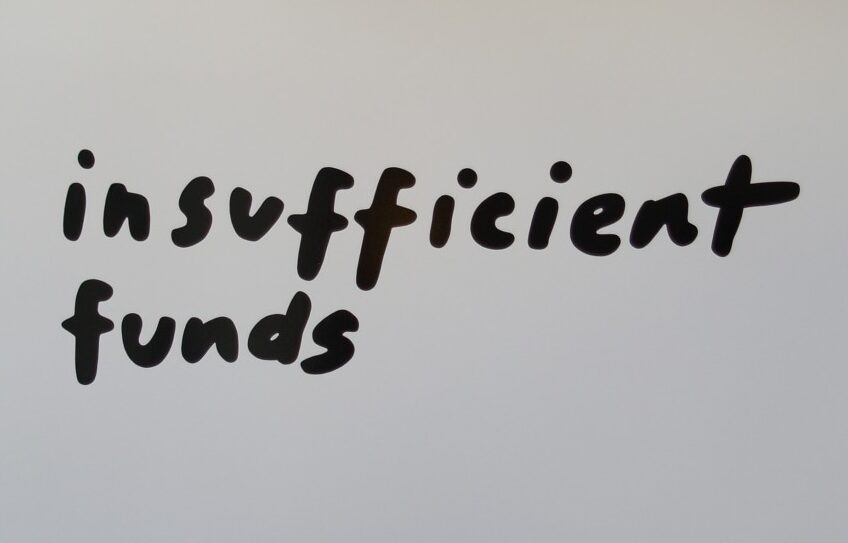
Cultuur en besparingen | Culture and budget cuts
NL Cultuur en besparingen?! Cultuurbeleid vraagt meer dan een tijdelijke geruststelling!
Zoals oKo terecht aangeeft, is het Kunstendecreet in deze besparingsronde gespaard gebleven, terwijl andere delen van het culturele ecosysteem zwaar worden getroffen. NICC erkent dat er binnen de Vlaamse Regering hard is gevochten om het
Kunstendecreet en een aantal andere culturele sectoren te vrijwaren. Dat is belangrijk maar het geeft geen gevoel van veiligheid.
Integendeel. De manier waarop deze besparingen tot stand kwamen, welke onderdelen uiteindelijk werden gevrijwaard en welke zwaar worden getroffen, maakt duidelijk hoe kwetsbaar het culturele ecosysteem is en blijft. Vandaag blijft het Kunstendecreet overeind maar niemand weet wat een volgende begrotingsronde, beleidswijziging of andere politieke meerderheid zal brengen.
Precies daarom is solidariteit tussen sectoren essentieel. Niet alleen omdat kunstenaars werken met musea, erfgoedorganisaties, lokale partners, infrastructuren en ondersteunende organisaties, maar ook omdat we ons niet tegen elkaar mogen laten uitspelen. Wanneer iedere organisatie of sector alleen verdedigt wat voorlopig verloren dreigt te gaan of behouden kon blijven, verzwakken we gezamenlijk onze positie voor de beslissingen die nog komen.
Wanneer publieke ondersteuning wordt afgebouwd, ontstaat bovendien geen neutrale ruimte die vanzelf door de markt wordt opgevuld. De markt bevoordeelt wie al schaal, middelen en zichtbaarheid heeft. Voor kleinere, experimentele of kwetsbare praktijken betekent het verdwijnen van publieke infrastructuur en ondersteuning daarom veel meer dan een loutere verschuiving van financiering. Ook vanuit dat perspectief is solidariteit tussen de verschillende delen van het ecosysteem essentieel.
De besparingen van vandaag zijn bovendien meer dan boekhoudkundige ingrepen. Ze maken ook zichtbaar welke vormen van cultuur politiek prioritair worden geacht en welke minder. Dat verdient een open debat. Zeker wanneer tegelijk grote
hervormingen van het museale landschap worden aangekondigd, met samenwerking en versterking van het ecosysteem als uitgangspunt. Hoe verhouden die ambities zich tot besparingen die delen van datzelfde ecosysteem verzwakken?
NICC sluit zich daarom aan bij de solidariteit die oKo uitspreekt met de getroffen sectoren, maar wil tegelijk benadrukken dat die solidariteit ook een gezamenlijke politieke noodzaak is voor wat nog komt. Niet omdat wij toevallig gespaard zijn, maar omdat niemand zich veilig kan wanen wanneer het culturele veld stukje bij beetje uit elkaar wordt gespeeld.
oKo’s argumenten, cijfers en reflectie hier.
EN Culture and cuts?! Cultural policy requires more than temporary reassurance
As oKo rightly points out, the Arts Decree has been spared in this round of cuts, while other parts of the cultural ecosystem are being hit hard. NICC recognises that there has been significant effort within the Flemish Government to protect the Arts Decree and a number of other cultural sectors. This is important, but it does not provide a sense of security.
On the contrary. The way these cuts have come about, which areas have ultimately been protected and which are being hit hardest, makes clear how vulnerable the cultural ecosystem remains. The Arts Decree may be protected today, but no one knows what the next budget round, policy change or political majority will bring.
This is precisely why solidarity between sectors is essential. Not only because artists work with museums, heritage organisations, local partners, infrastructures and support organisations, but also because we must not allow ourselves to be played off against one another. When each organisation or sector focuses only on defending what it risks losing or has managed to retain for the time being, we collectively weaken our position for the decisions still to come.
Moreover, when public support is withdrawn, it does not create a neutral space that the market will simply fill. The market favours those who already have scale, resources and visibility. For smaller, experimental or vulnerable practices, the disappearance of public infrastructure and support therefore means much more than a simple shift in funding. From this perspective too, solidarity across the different parts of the ecosystem is essential.
The cuts being made today are also more than accounting measures. They reveal which forms of culture are considered politically important and which are considered less so. This deserves an open debate — particularly as major reforms of the museum landscape are being announced at the same time, with collaboration and strengthening the ecosystem as their stated objectives. How do these ambitions relate to cuts that weaken parts of that same ecosystem?
NICC therefore joins oKo in expressing solidarity with the sectors affected, while also emphasising that this solidarity is a shared political necessity for what lies ahead. Not because we happen to have been spared, but because no one can feel secure when the cultural field is gradually being pulled apart.
Read oKo’s arguments, figures and reflections here.
Engagement
close